



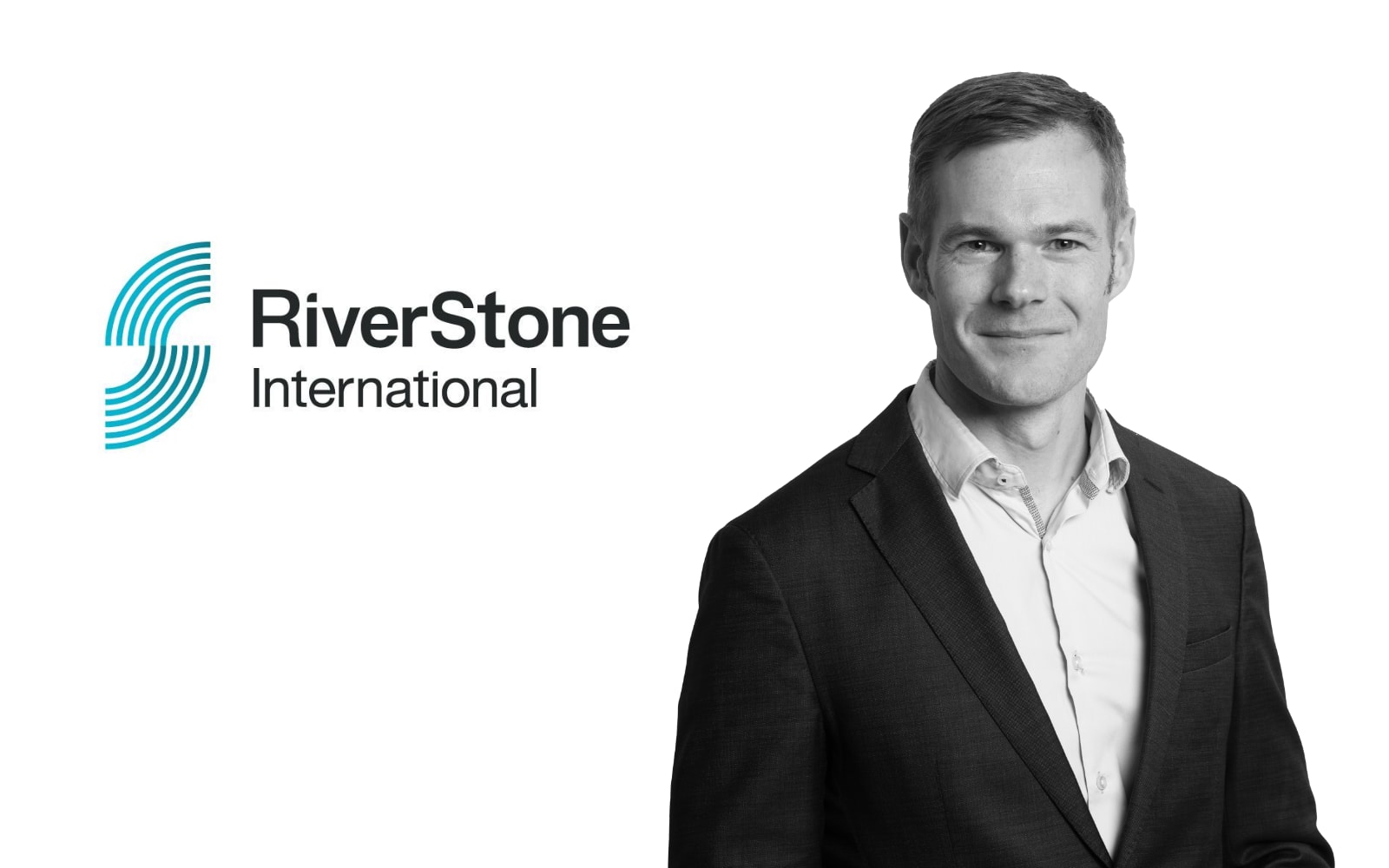
Andrew Creed, Group President and Group Chief Financial Officer of legacy acquirer RiverStone International, highlighted that as the legacy and run-off market continues to evolve, having insurance-linked securities (ILS) solutions readily available is becoming increasingly valuable for global operators.
 Speaking with Artemis at the 2026 annual IRLA congress in Brighton, Creed discussed the pivotal role he expects the ILS sector to play in the expanding legacy space.
“In terms of ILS capital coming in to back legacy liabilities themselves, we have seen a number of legacy specific sidecars established over the last few years, including recently and I do think that there continues to be a clear role and opportunity for this. We’ve explored the possibility of doing this at RiverStone, and the structure does have the potential to provide you with a broadened pool of active capital to go and access when you need it,” Creed told Artemis.
He continued: “As much as I would like this business to be a linear one, it is today inherently non-linear, and therefore capital demand does tend to be more volatile. Having access to different capital pools is therefore critical for managing that volatility and for ensuring we can meet our clients’ needs when they most need our solutions.”
Creed views this integration as a targeted partnership rather than a broad adoption of all ILS structures. He sees the relationship staying confined to traditional sidecar quota shares, rather than, for example, catastrophe bonds or parametric structures.
“Having ILS solutions available and ready is valuable. It goes back to the same reason why investors see attraction in the legacy market in the first place; it is a non-correlated risk to broader live market exposures,” he said.
Creed added that while the legacy space has increasingly explored taking on more unexpired or more recent business, it’s important to remember that this does not carry the same exposures as property cat events, for example.
“We tend to have a more stable volatility profile than the live market, and that’s attractive for capital providers. This creates a clear opportunity for ILS investors seeking diversification.”
When it comes to how the legacy market interacts with the ILS space itself, Creed said that “the cat is out of the bag.”
The Group President and Group CFO pointed specifically to recent structural innovations, noting a significant uptick in interest over recent months.
“Forward exit options, which were initially developed some time ago, have become much more prevalent—I’ve seen more in the last six months than ever before. They are clearly gaining traction, particularly because they offer ILS investors greater certainty around a future liquidity event,” Creed said.
However, Creed warned that the market must approach these structures carefully, balancing the line between retrospective legacy deals and prospective underwriting.
“The market needs to approach these structures carefully. I often describe it as a pendulum—forward exit options can sit quite close to prospective underwriting, and that boundary can be a fine line,” said Creed.
He continued, “There are clear benefits, but for me this is something to pursue with the right partners—underlying original underwriters where we have strong, trusted relationships. I can see it providing a degree of recurring flow over time, but I don’t expect it to represent more than a relatively small proportion of our overall annual acquisitions.
“There will be some hurdles as these structures evolve. Regulators are likely to focus more closely on them, particularly in terms of whether counterparties need to hold capital against these exposures.”
All in all, Creed sees these shifts as a testament to the health and maturity of the legacy sector. While new products are emerging, which includes transactions where ILS capital is released via LPTs or a novation, he maintains that they will supplement, rather than replace, the core purpose of the retrospective legacy sector.
“It’s a continually evolving space, and it clearly is attractive. I think the way the legacy market interacts within the ILS space will continue to support innovation. We’ve already seen transactions where ILS capital on historic sidecar vehicles has been released via an LPT or a novation type structure, and I expect those will continue to have a place as well,” he said.
“It’s positive to see innovation but it shouldn’t detract from what should be a real core objective, which is addressing the significant stock of existing retrospective reserves. At the same time, it’s encouraging to see new products being developed in this space, and great to see sophisticated capital providers wanting to transact with the legacy market. That is a testament to the strength of our market and the conviction we are stable, long-term solutions providers, able to service very long-tail policies until they expire. These developments are great for the market, and they build our market presence and relevance, and they reinforce our credibility and resilience. And for me, that’s important,” Creed concluded.
Read all of our interviews with ILS market and reinsurance sector professionals here.
 View all of our Artemis Live video interviews and subscribe to our podcast.
All of our Artemis Live insurance-linked securities (ILS), catastrophe bonds and reinsurance video content and video interviews can be accessed online.
Our Artemis Live podcast can be subscribed to using the typical podcast services providers, including Apple, Google, Spotify and more.